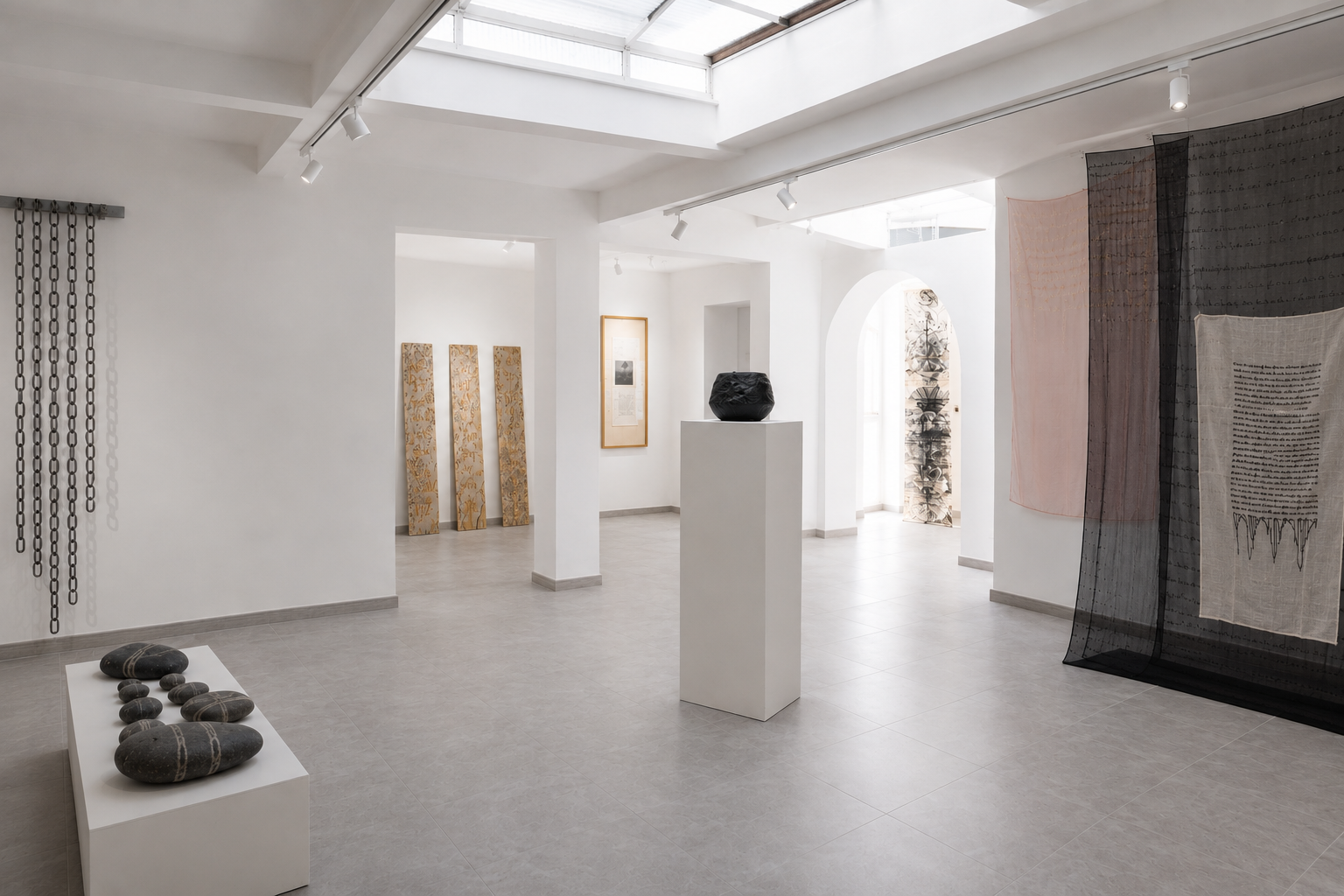
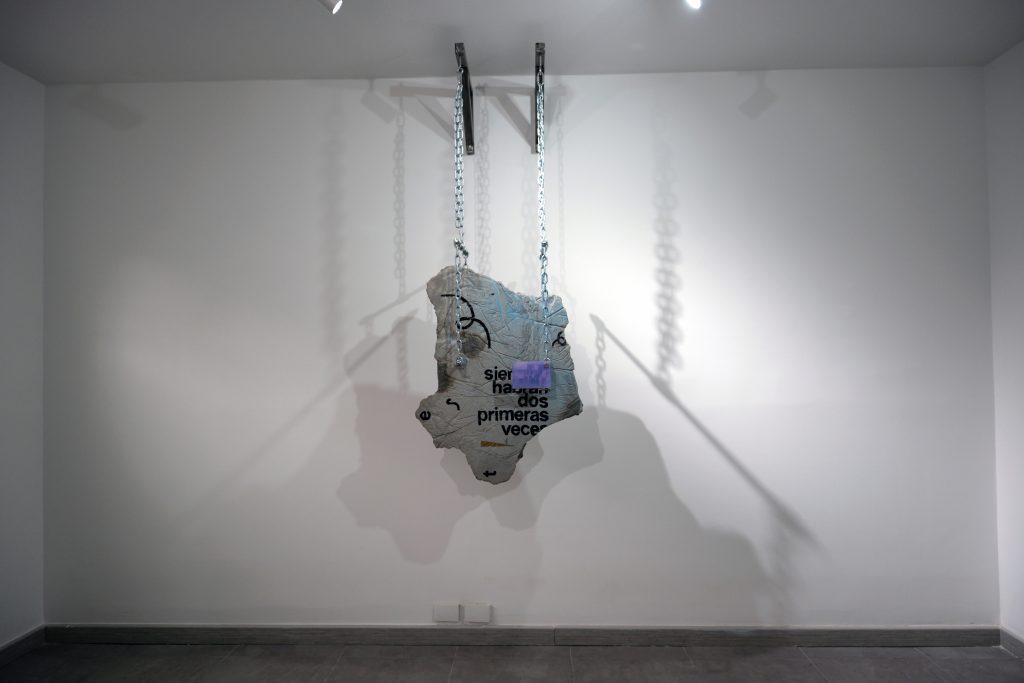
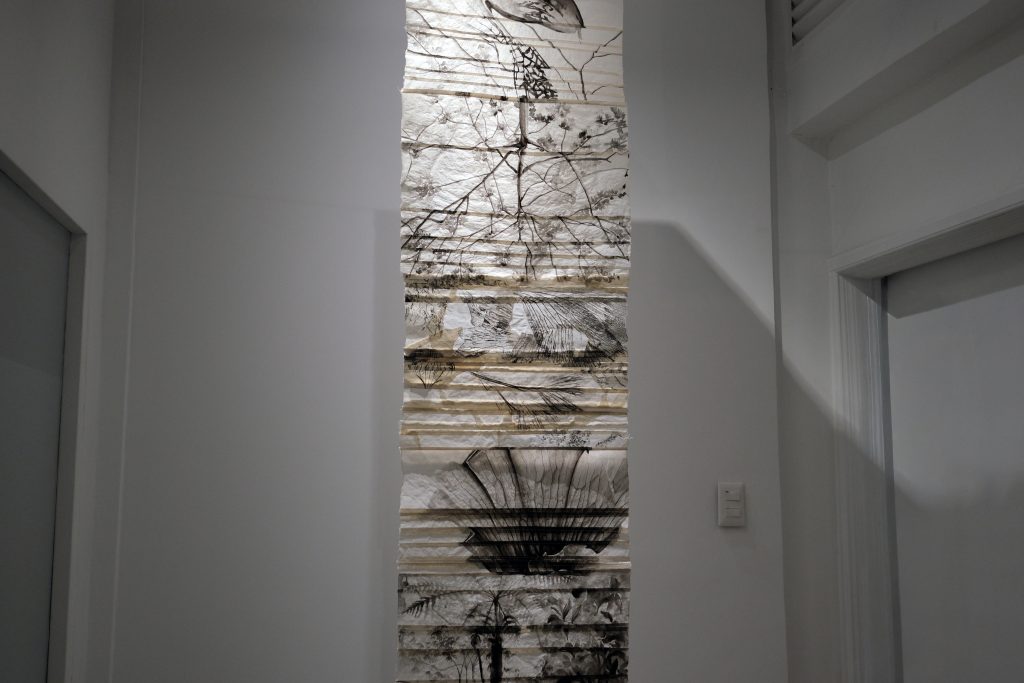
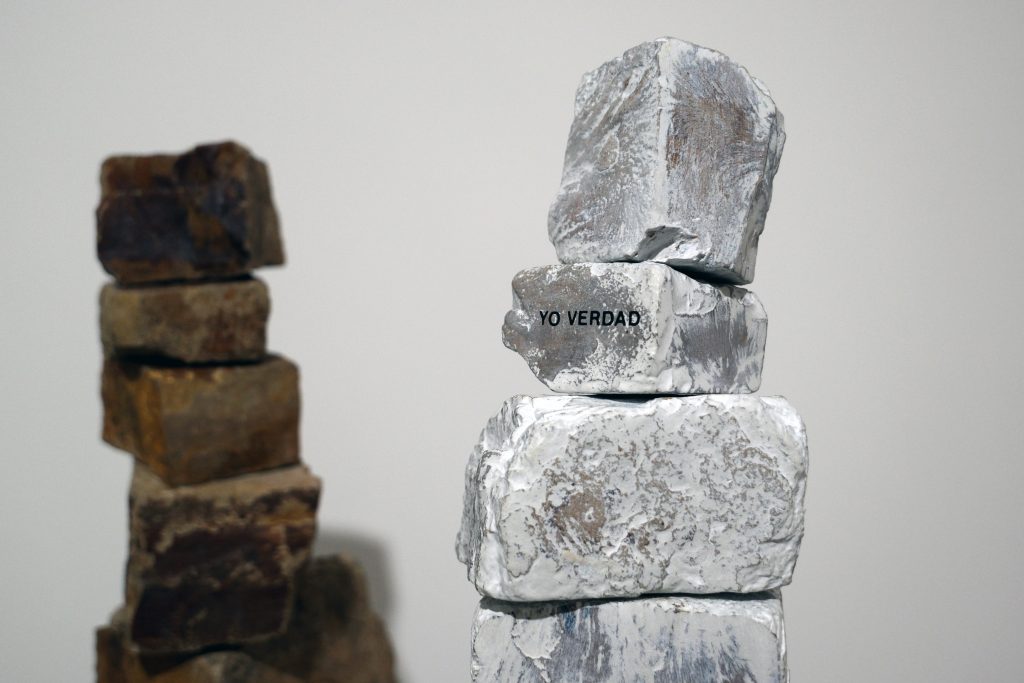
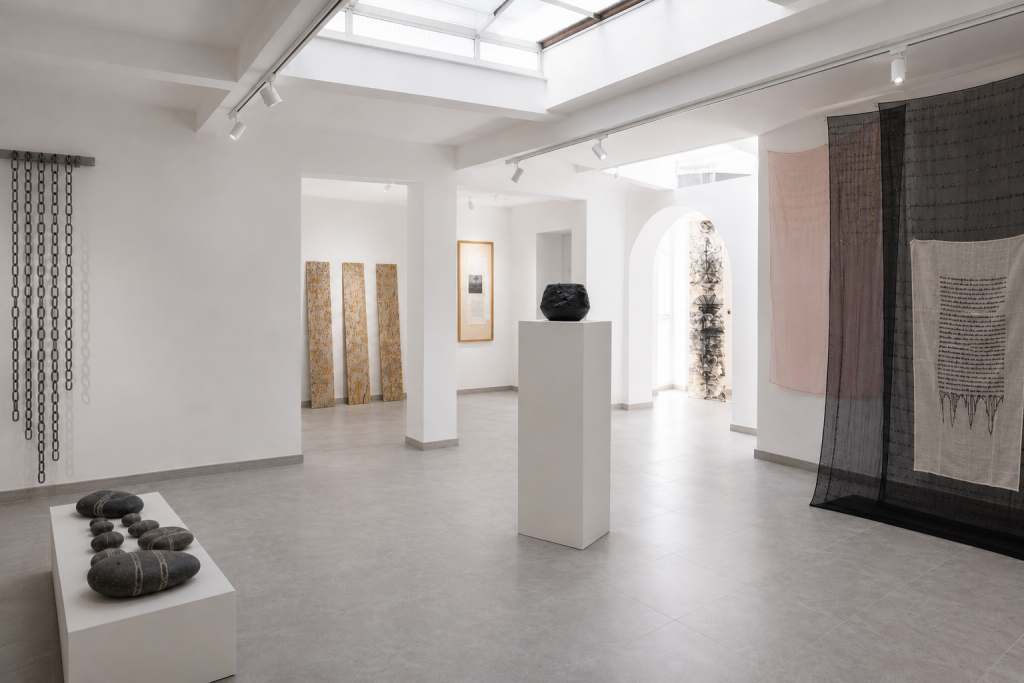
Art exhibitions aren’t just destinations to discover artists — they’re laboratories for understanding how space communicates. Every exhibition orchestrates scale, materiality, lighting, and circulation to shape how visitors experience a room, the same spatial decisions architects and interior designers make on every project. Seen this way, exhibitions become exercises in spatial composition, not temporary events.
Materiality Creates Meaning
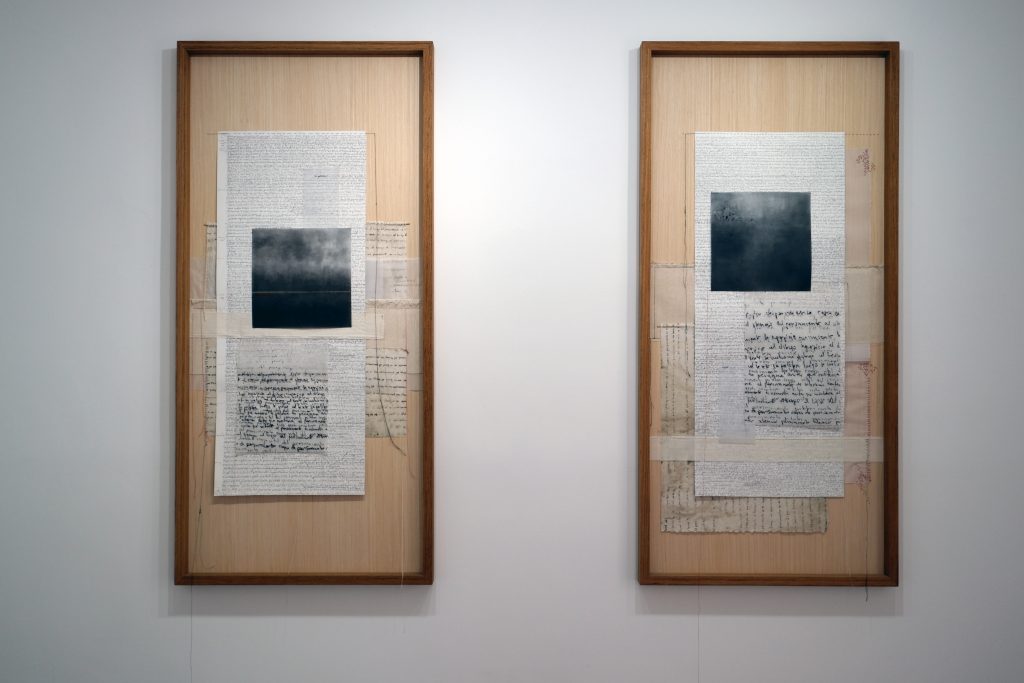
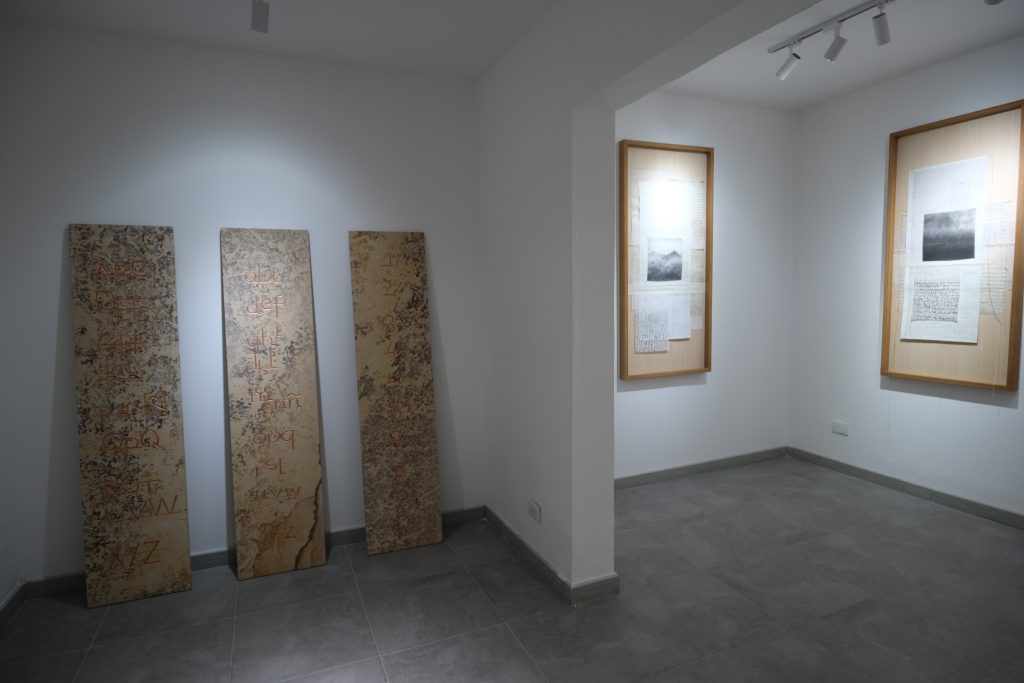
Materials communicate before objects do — stone suggests permanence, fabric softness, oxidized metal history. Artwork behaves the same way: its physical qualities become part of the architectural language, reinforcing or contrasting a space’s existing finishes and atmosphere. Successful art integration considers material identity first, not just image or color.
Reading Space Before Selecting Art
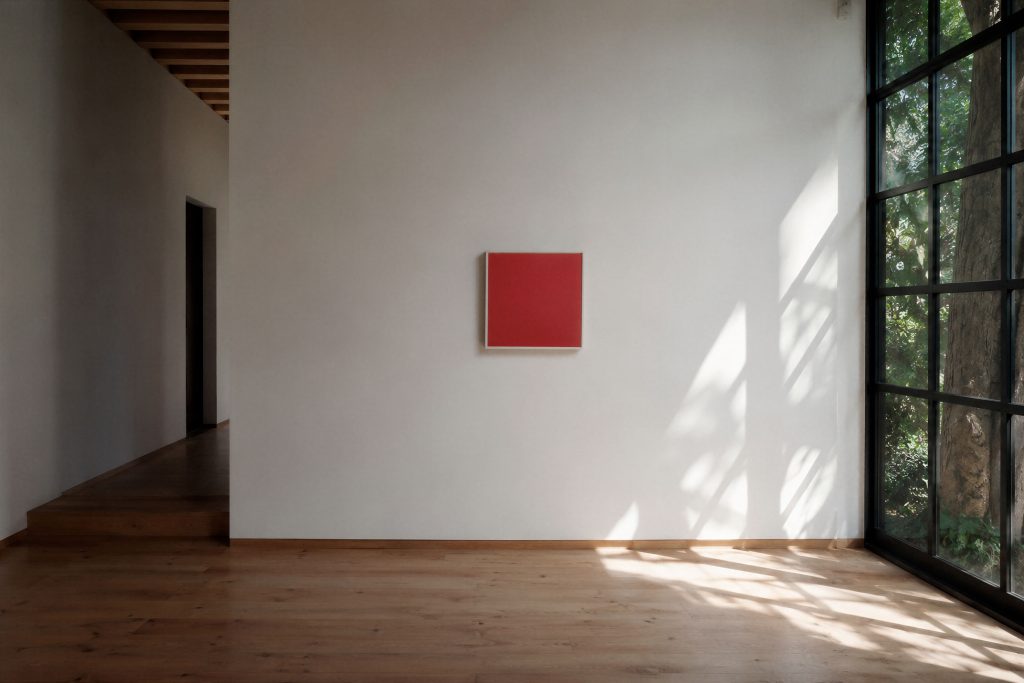
Before any artwork is chosen, the architecture should be understood — light, ceiling height, circulation, and material palette set the conditions art will inhabit. This curatorial reading shifts the goal from filling walls to reinforcing the identity architecture has already established. Art that responds to those conditions feels inevitable, not decorative.
From Exhibition to Interior
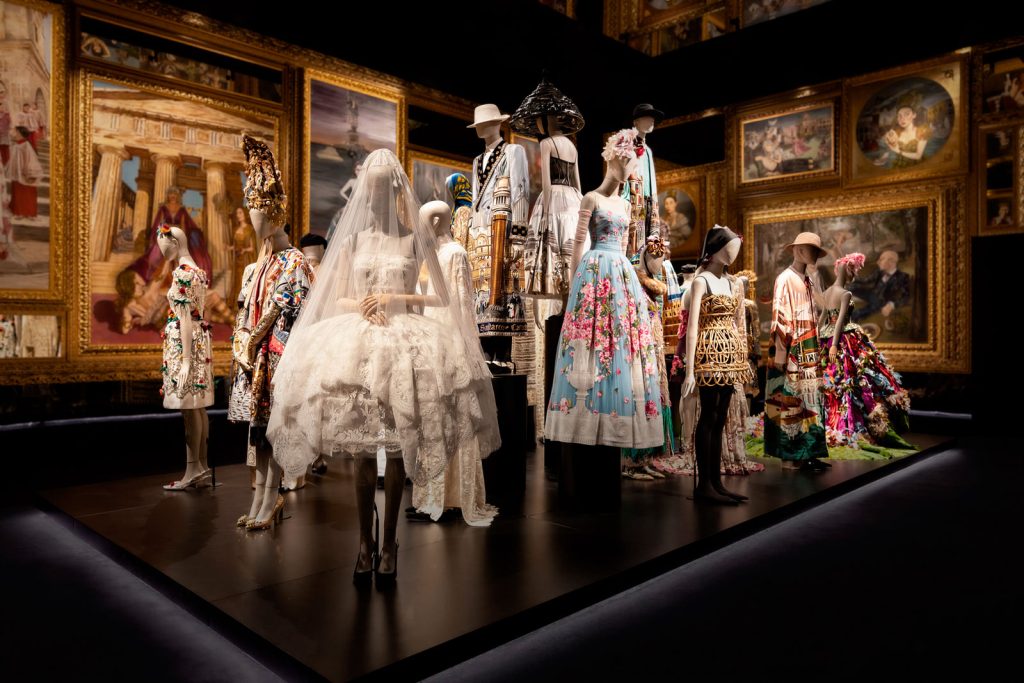
Memorable exhibitions succeed through unified relationships, not single artworks — the same principle that defines successful residential, hospitality, and workplace interiors. For designers, exhibitions are a chance to study those relationships and apply them through curatorial intelligence, making art part of the architectural narrative from the start rather than an afterthought.
What Dolce&Gabbana Can Teach Us About Designing Through Cultural Identity
Case Studies
What Interior Designers Can Learn from Art Exhibitions
Case Studies
Let's continue the conversation.
Every article reflects the way we think about art, architecture, and spatial identity. If you’re developing a project, we’d be pleased to explore how curatorial intelligence can strengthen your design vision.