What Dolce&Gabbana Can Teach Us About Designing Through Cultural Identity

The strongest interiors don't begin with colors or furniture. They begin with a story. Dolce&Gabbana's exhibition at ICA Miami demonstrates how culture, craftsmanship, and materiality can shape spaces with a distinct and memorable identity.

Culture Before Design

Some of the most memorable spaces are not defined by luxury or aesthetics alone. They are remembered because they express a clear cultural identity.

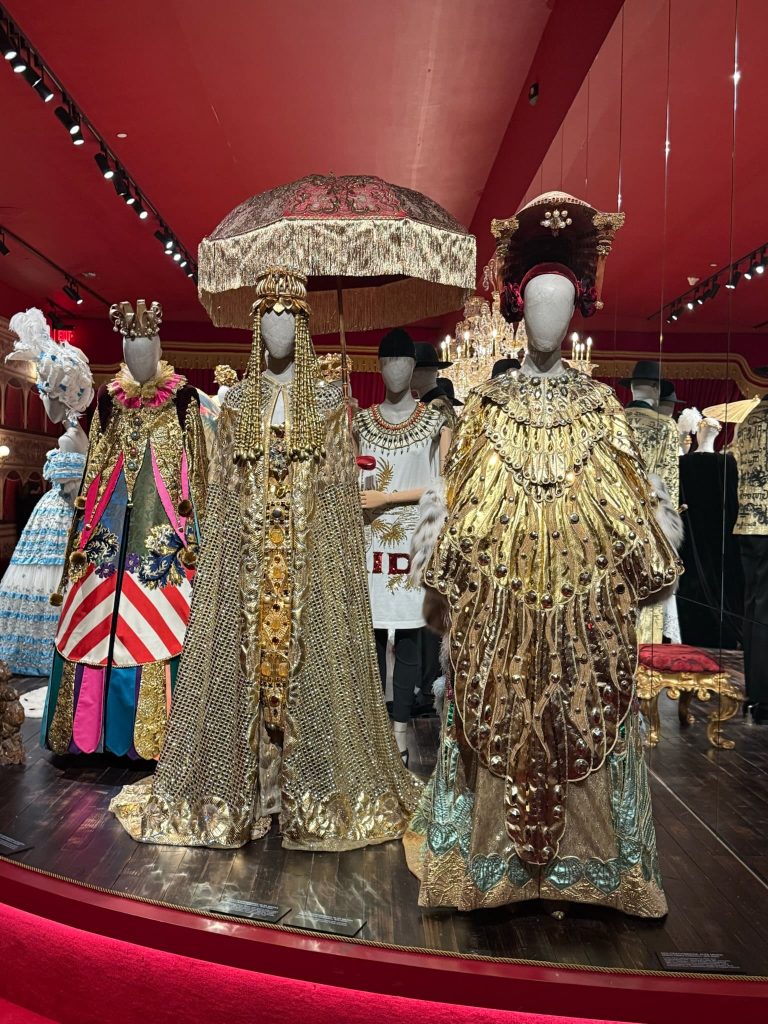
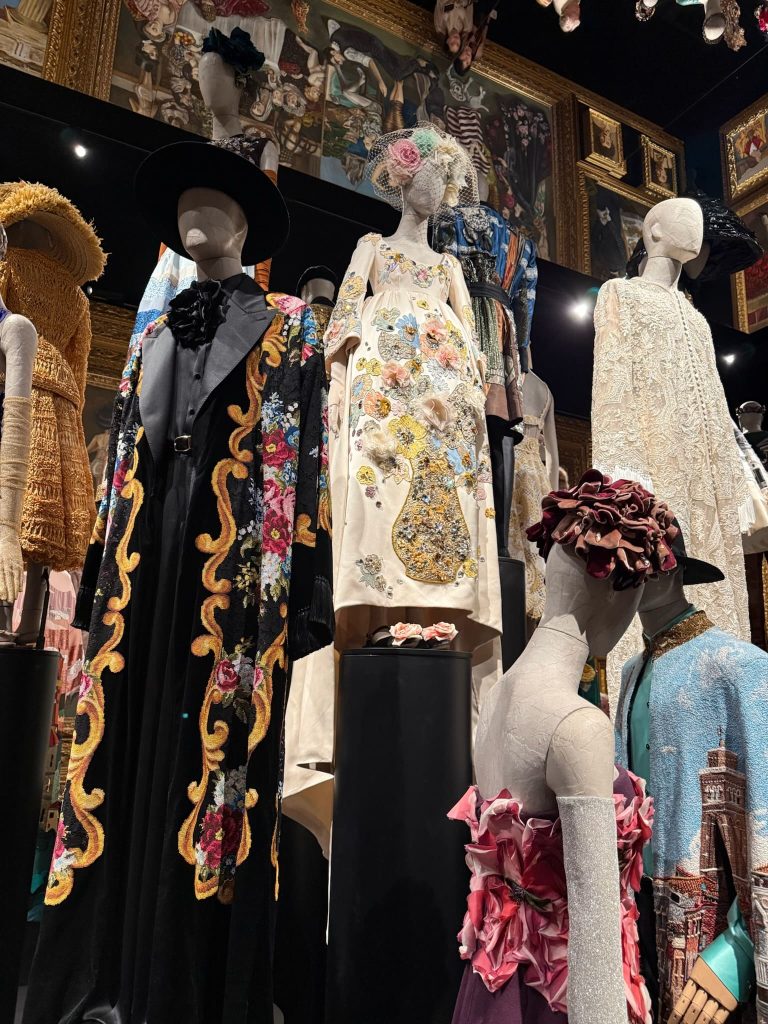
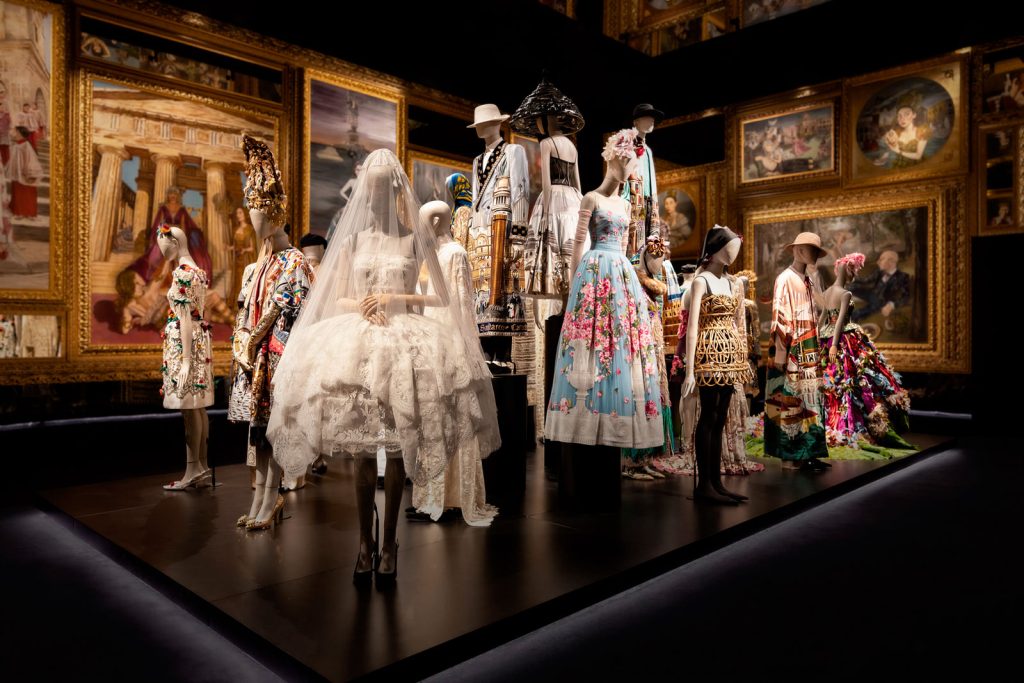
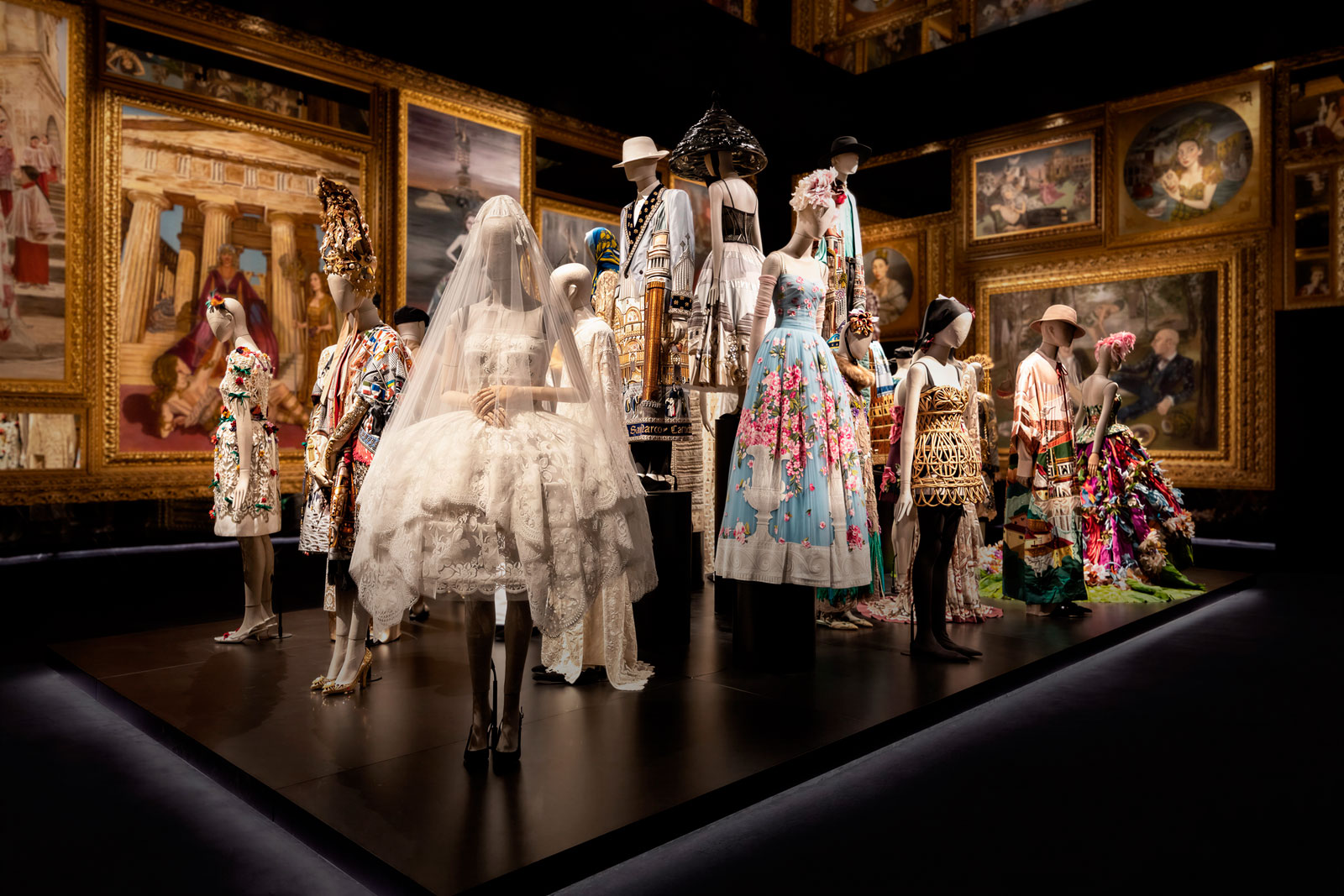
The exhibition From the Heart to the Hands at ICA Miami demonstrates this idea through a series of immersive environments inspired by Italian heritage. Rather than presenting fashion as isolated objects, each room translates history, craftsmanship, architecture, and tradition into spatial experiences.

For interior designers, this is an important reminder: every project gains depth when it begins with a cultural narrative instead of a stylistic trend.

Designing Through Storytelling

The exhibition unfolds as a sequence of environments rather than a collection of objects.

Sicilian traditions, religious iconography, opera, craftsmanship, and historical references are expressed through materials, light, proportion, and scenography. Every element contributes to a coherent atmosphere.

The lesson extends far beyond fashion.

Residential, hospitality, and workplace projects become more memorable when every design decision reinforces the same narrative. Rather than assembling beautiful objects, designers create spaces where every material, texture, and artwork contributes to a shared story.

Materiality Carries Memory

Materials do more than define finishes.

They preserve traditions, communicate identity, and evoke emotional responses rooted in culture.

Throughout the exhibition, handcrafted surfaces, decorative elements, and artisanal techniques transform each gallery into an experience that feels authentic rather than theatrical.

The same principle applies to interior design.

Natural stone, timber, textiles, ceramics, metals, and artwork all carry cultural associations. When selected intentionally, they reinforce the story a space is trying to tell and create environments that feel timeless rather than trend-driven.

Art as Part of a Cultural Narrative

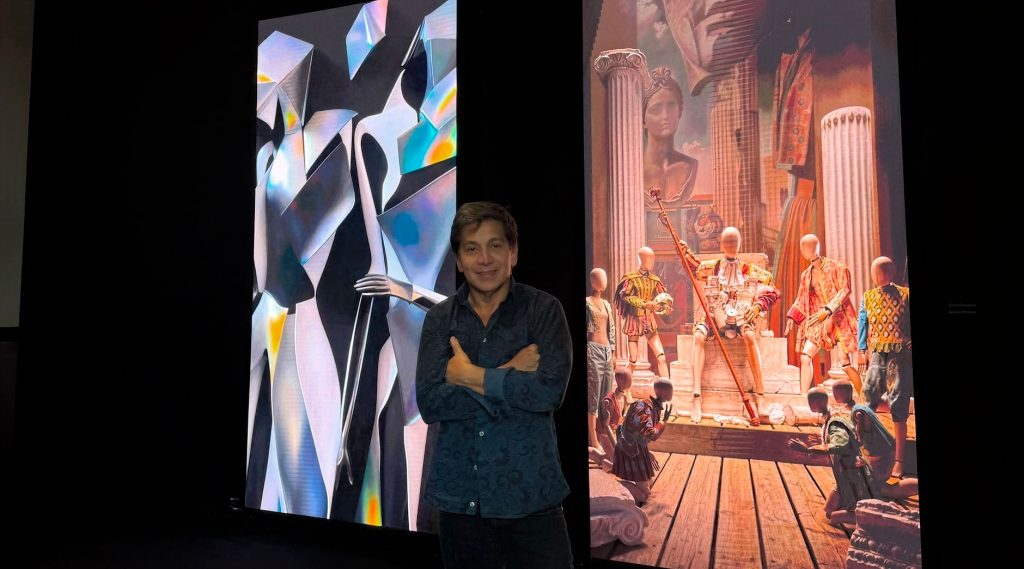
One of the exhibition’s strongest qualities is the dialogue established between fashion, contemporary art, and architecture.

Rather than existing as separate disciplines, they work together to construct environments with emotional depth and visual coherence.

This collaborative approach reflects the way art should function within interior projects.

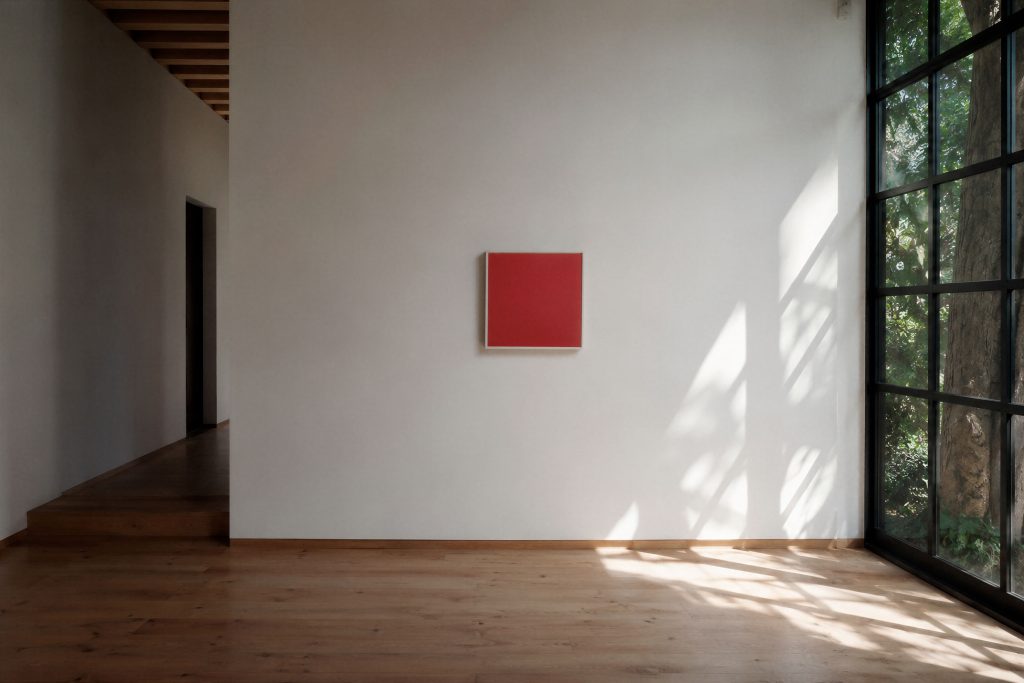
Artwork should not simply complete a room visually. It should strengthen the identity established by architecture, materials, and narrative, becoming another layer of the overall design language.

When culture, craftsmanship, architecture, and art are considered together from the beginning, the result is an experience that feels authentic, memorable, and deeply connected to its place.

Why Uta Barth’s Photography Resonates with Contemporary Interiors

Artists & Practices

What Dolce&Gabbana Can Teach Us About Designing Through Cultural Identity

Case Studies

What Interior Designers Can Learn from Art Exhibitions

Case Studies

Let's continue the conversation.

Every article reflects the way we think about art, architecture, and spatial identity. If you’re developing a project, we’d be pleased to explore how curatorial intelligence can strengthen your design vision.