Looking Beyond the Subject
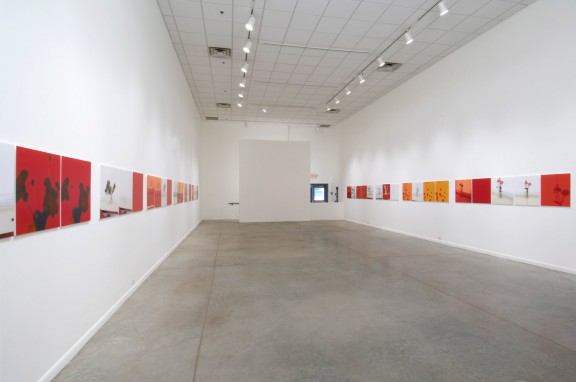
At first glance, Uta Barth’s photographs may appear deceptively simple.
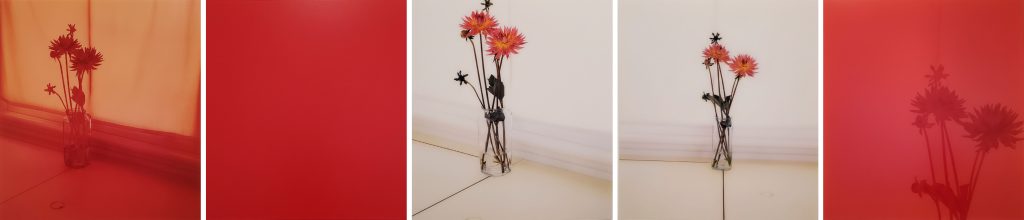
Soft focus, subtle color transitions, and quiet compositions shift attention away from recognizable objects and toward something less tangible: the experience of seeing itself.
Rather than documenting a subject, Barth explores perception, encouraging viewers to notice light, atmosphere, and the passing of time.
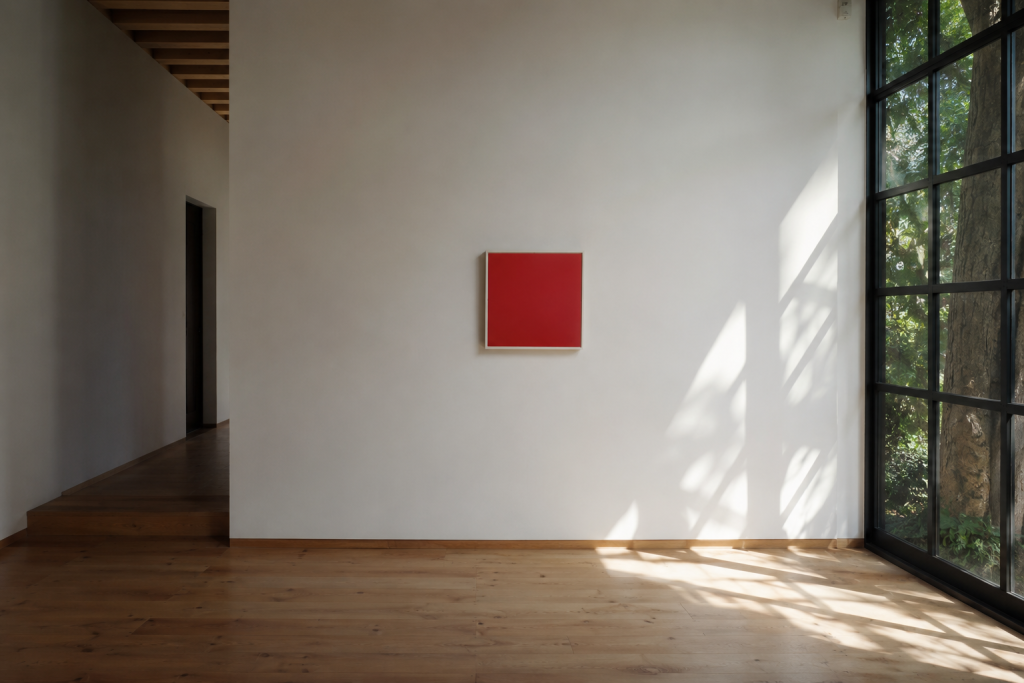
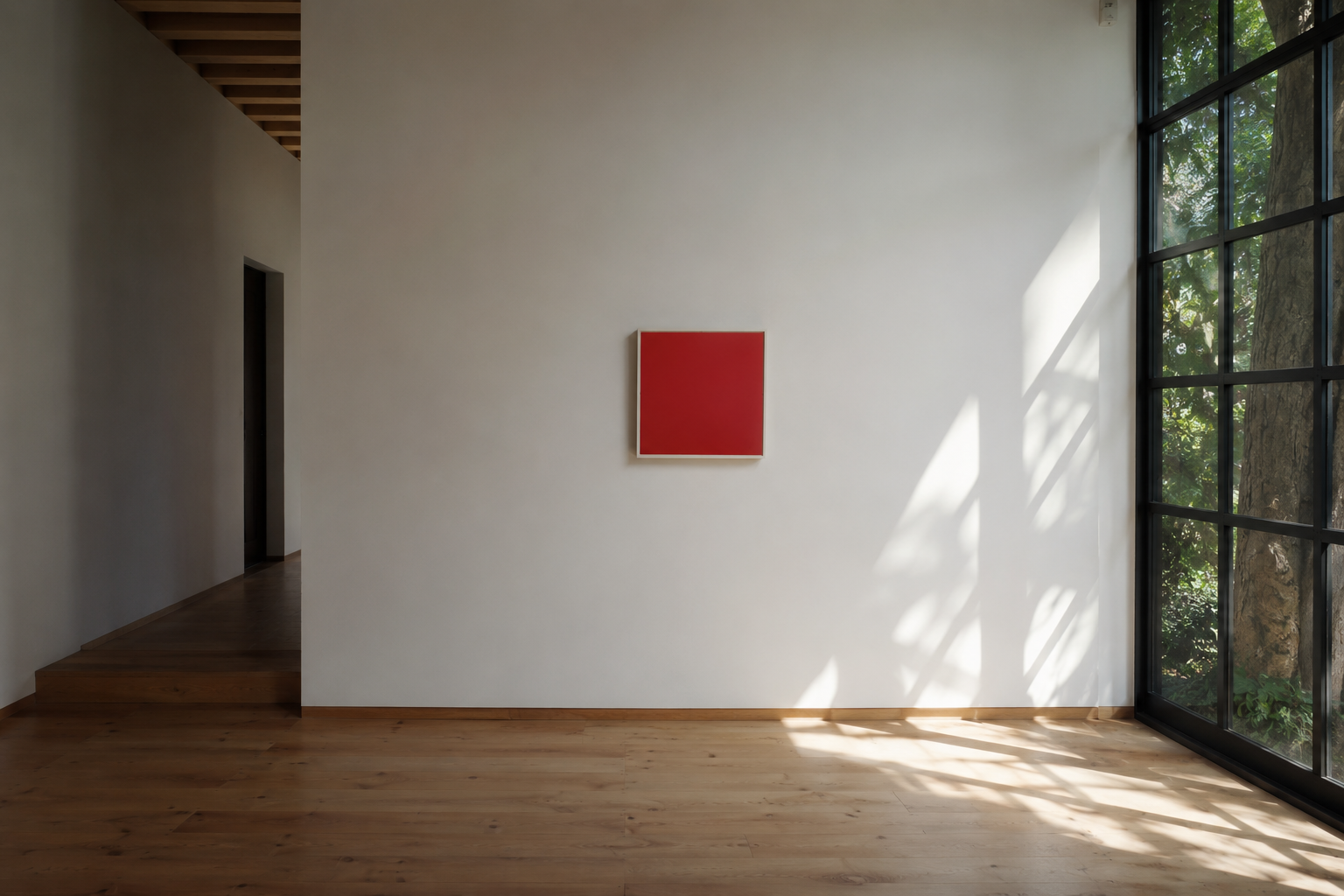
For interior designers, this perspective offers an important lesson. Not every artwork needs to dominate a space. Some of the most successful pieces quietly reinforce the architecture, allowing the environment itself to become the primary experience.
Atmosphere Through Light
Throughout her career, Barth has investigated how natural light transforms ordinary spaces.
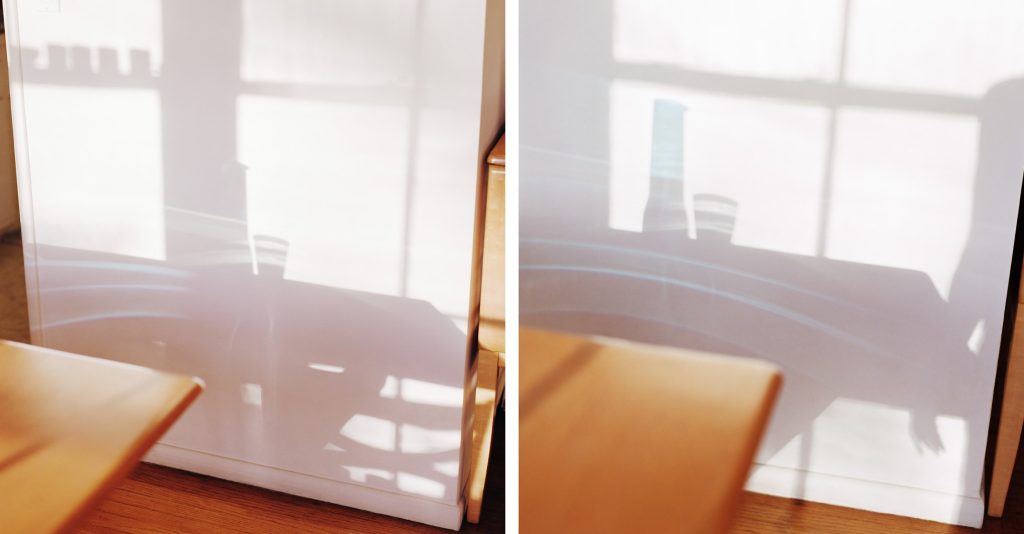
Windows, shadows, reflections, and subtle changes in brightness become the true subjects of her work, revealing how perception shifts throughout the day.
This sensitivity to light closely mirrors the way architects and interior designers think about space.
Just as daylight shapes the experience of an interior, artwork can amplify those atmospheric qualities without competing for attention.
Instead of introducing visual noise, Barth’s photography contributes calmness, rhythm, and spatial depth.
When Art Supports Architecture
Many contemporary interiors rely on balance rather than contrast.
Warm materials, restrained palettes, and carefully controlled lighting create environments where every element contributes to a unified atmosphere.
Artwork selected for these spaces should respond to the same principles.
Uta Barth’s work demonstrates how photography can strengthen an interior without becoming its focal point. Rather than demanding attention, it extends the visual rhythm established by architecture, reinforcing proportion, materiality, and light.
This approach reflects a broader curatorial principle: the best artwork often feels as though it has always belonged to the space.
A Lesson in Curatorial Restraint
Selecting artwork is not always about introducing stronger colors, larger formats, or greater visual impact.
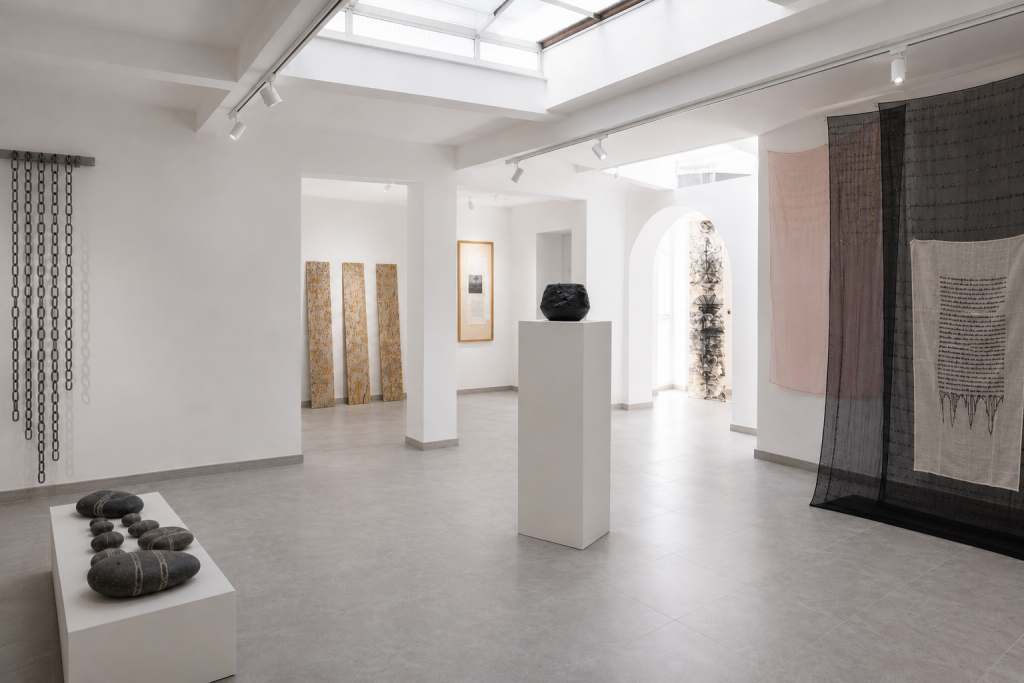
Sometimes the most thoughtful decision is choosing work that allows architecture to remain the protagonist.
Barth’s photography reminds us that quietness can be powerful. Through subtle shifts in light and perception, her work creates emotional depth while respecting the identity already established by a space.
For curators and interior designers alike, this represents an essential principle: art should strengthen the experience of architecture rather than compete with it.